As a burn heals, the scar can shrink and tighten. When it crosses a joint — the neck, the armpit, the elbow, the hand or the knee — or lies around the eyes or mouth, it can pull and limit movement. This is called a burn contracture. Surgery releases the tight scar and adds new skin, so the area can move again.
How the scar is released
- The tight scar is cut or partly removed, so the joint can straighten.
- The gap is covered with a skin graft, a thin layer of skin taken from another part of the body.
- Local flaps, such as a Z-plasty, move nearby healthy skin to lengthen the scar.
- For larger areas, tissue expanders or skin substitutes are sometimes used, often in several stages.
Which method suits you depends on where the scar is, how large it is and how much healthy skin is nearby.
When surgery is done
Burn scars change for a long time, often a year or more, and pressure garments, silicone, splints and physiotherapy can improve them. Surgeons often wait until the scar has matured. Earlier surgery may be needed when a contracture threatens function — for example when eyelids cannot close, the mouth cannot open well, or a child’s growth is affected.
How the treatment usually goes
- An assessment: the scar, the movement of the joint, earlier operations, and photos. Physiotherapists often assess too.
- The operation, usually under general anaesthesia. It often takes from one to several hours, depending on the area.
- Dressings and often a splint, while the graft or flap heals.
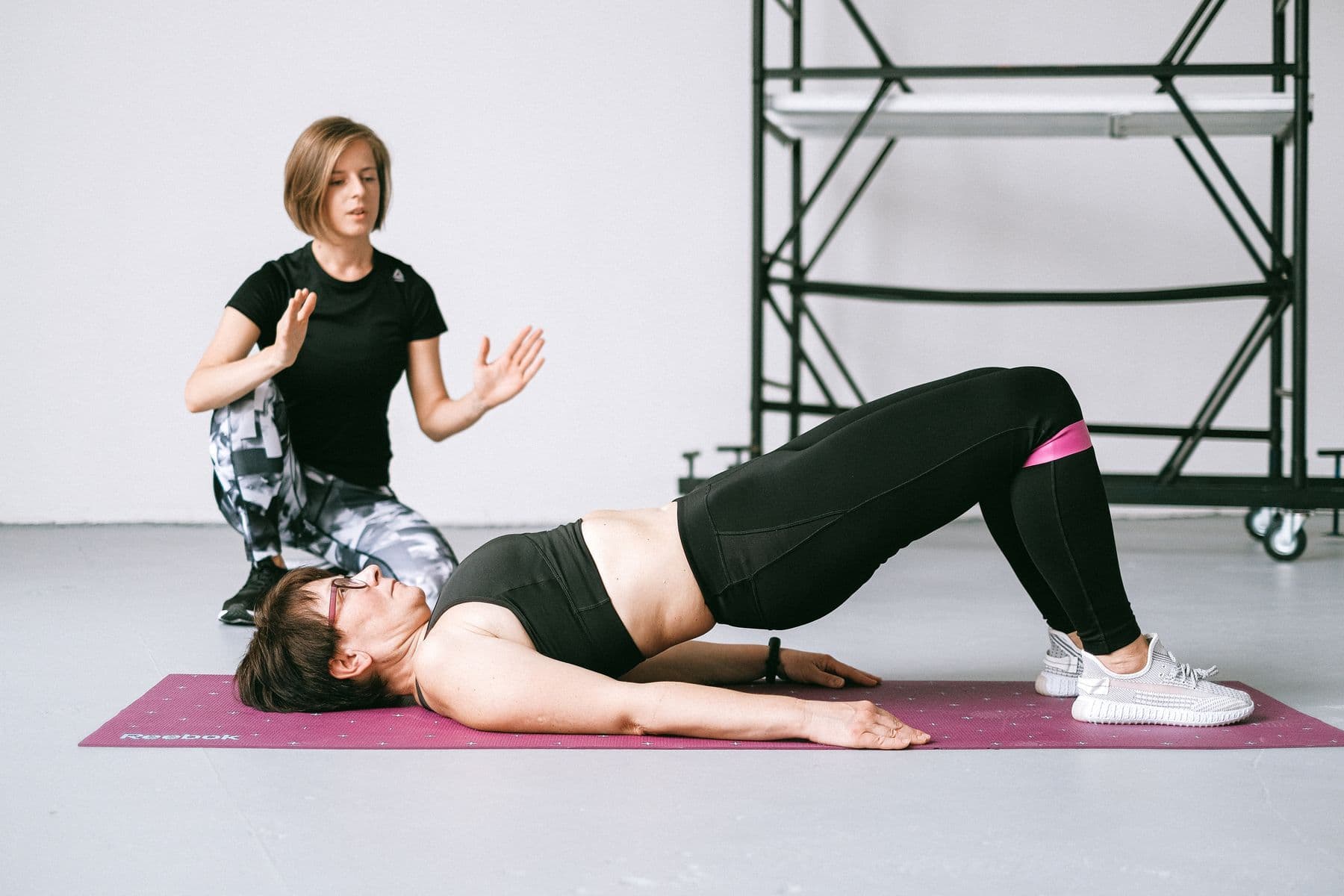
- Rehabilitation: physiotherapy or hand therapy, splints and pressure garments, often for months.
Recovery and travel
A hospital stay of one to several nights is common. A skin graft is usually checked after about five to seven days, and stitches are removed after one to two weeks. Plan to stay near the clinic for at least one to three weeks, and arrange physiotherapy at home before you travel. These times are ranges: they depend on the clinic and the patient, and your surgeon sets your plan.
Risks
Possible problems include a graft that does not take fully, infection, bleeding, a new tight scar, a colour or texture difference between the graft and the skin around it, and a scar where the graft was taken. Some people need more than one operation.
Questions to ask
- How often do you treat burn contractures, and in this part of the body?
- Which method do you suggest — a graft, a flap or expanders — and why?
- Will I need more than one operation?
- What rehabilitation do you plan, and who provides it once I am home?