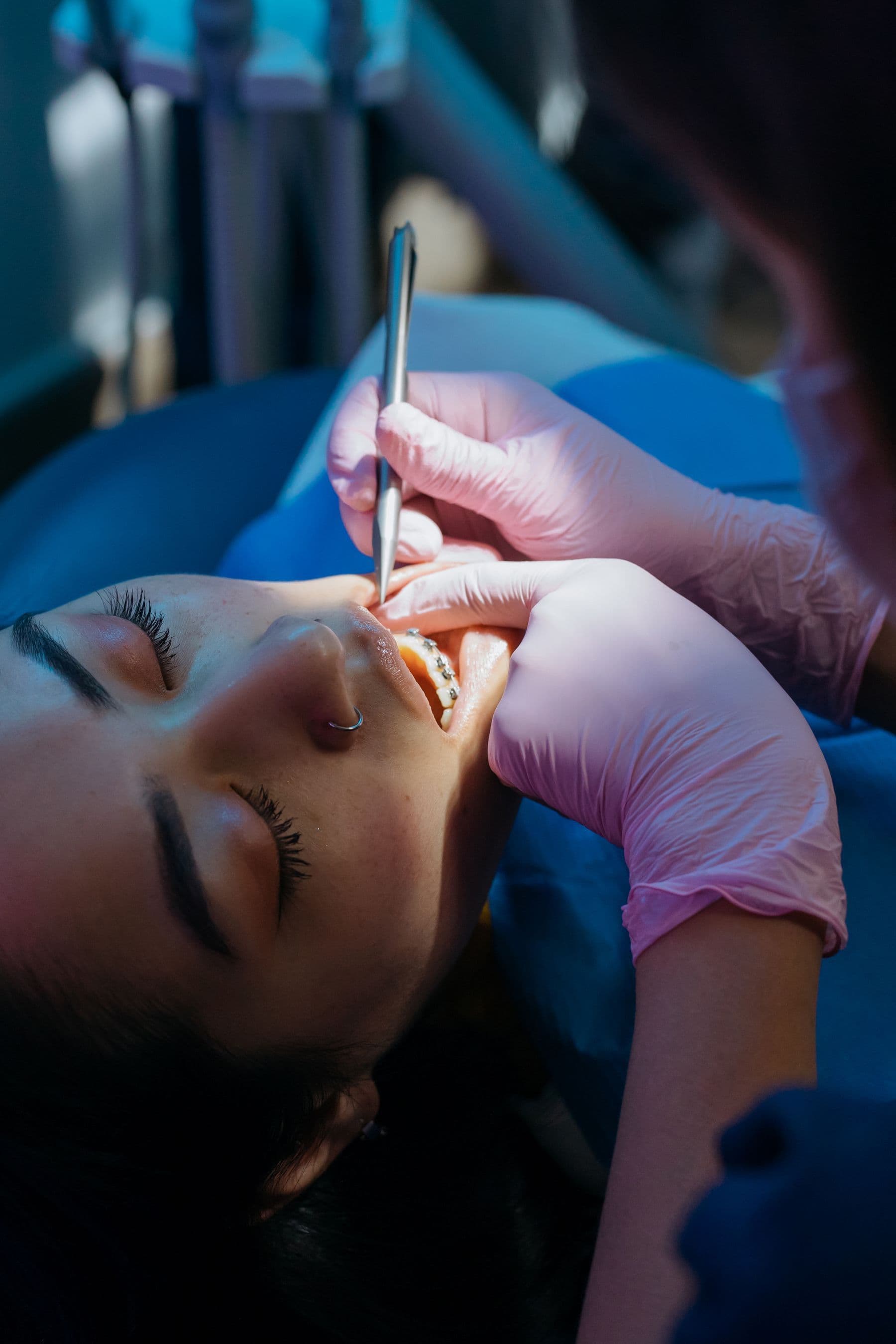
Medical micropigmentation, also called medical tattooing or skin camouflage, places small amounts of pigment into the upper layer of the skin with fine needles. The colour is matched to the surrounding skin, so that a pale scar or a patch of vitiligo stands out less. It does not remove the scar or treat the vitiligo — it disguises it.
What it is used for
- Pale, flat scars after surgery, injury or burns, once they have fully matured.
- Stable vitiligo: patches that have not changed or spread for a long time.
- Recreating the colour of the nipple and areola after breast reconstruction.
- Scars on the scalp, for example after a hair transplant.
Raised, red or still-changing scars are usually not treated: they first need time or other treatment. A dermatologist should confirm the diagnosis and that the skin is ready.
How the treatment usually goes
- A consultation: the skin is examined, the colour is matched, and photos are taken. A small test area may be done first.
- The session with a numbing cream or a local anaesthetic. A session often takes about one to three hours, depending on the area.
- Healing over one to two weeks, with redness and light crusting.
- A further session after some weeks to even out the colour. Several sessions are often needed.
Recovery and how long it lasts
Usually no hospital stay is needed. Sun, swimming pools, saunas and scratching the area are avoided while the skin heals. The pigment fades over time, often over a few years, and touch-up sessions keep the colour. Because surrounding skin tans in summer and the pigment does not, the match can change with the seasons. These times are ranges: they depend on the clinic and the patient, and your practitioner sets your plan.
Risks
Possible problems include infection, an allergic reaction to the pigment, a colour that does not match or changes over time, and uneven results. Removing pigment is difficult, so a careful test and a conservative start matter.
Questions to ask
- Who will do the treatment, and what medical training and experience with scars or vitiligo do they have?
- Which pigments do you use, and can I have a test area first?
- How many sessions do you expect, and how far apart?
- What can be done if the colour does not match?