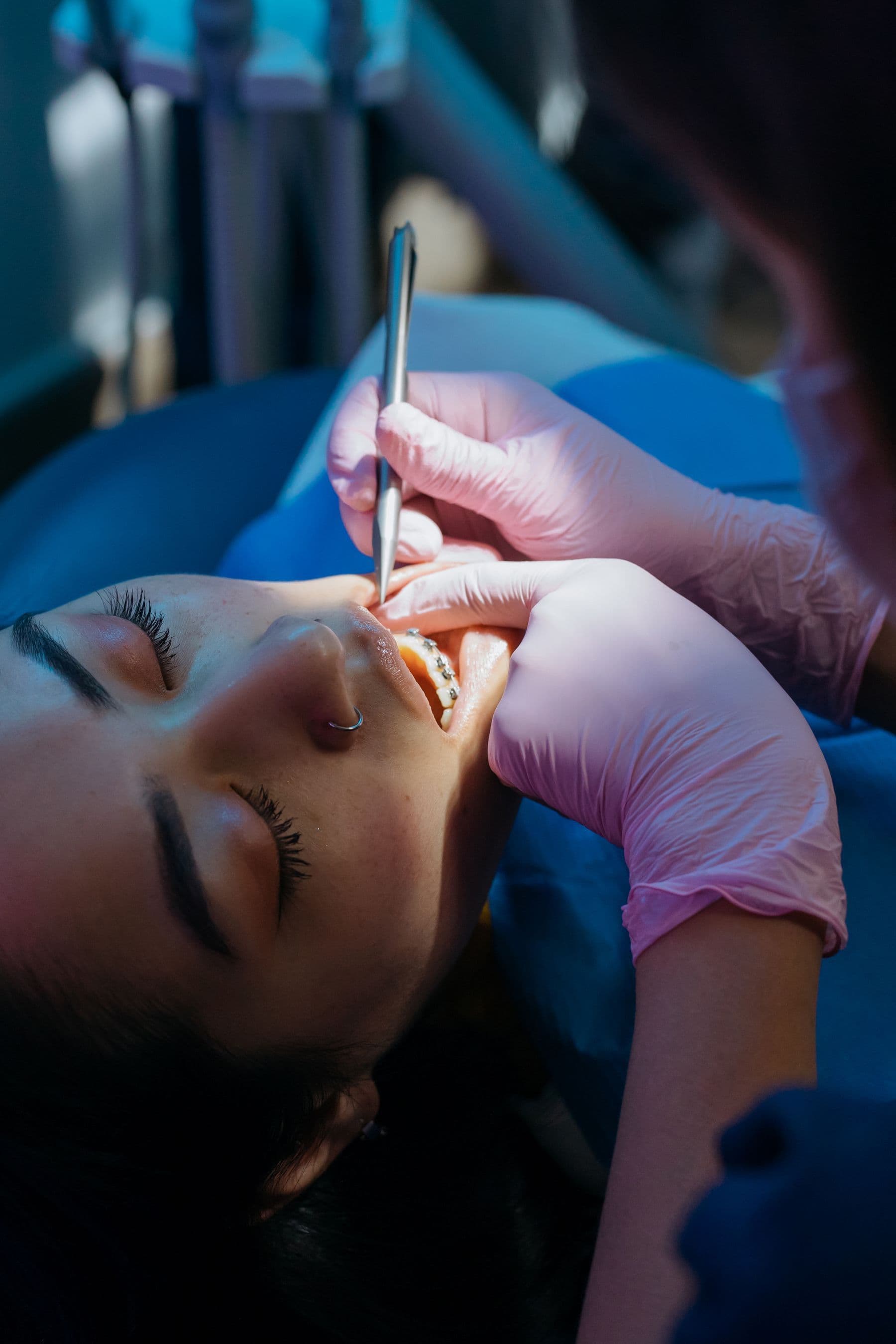
The temporomandibular joint (TMJ) connects the lower jaw to the skull, just in front of the ear. Problems with it can cause pain, clicking, and difficulty opening the mouth — sometimes the jaw locks and opens only partly. Arthrocentesis is a minimally invasive procedure that flushes the joint with a sterile solution through fine needles, to reduce inflammation and help the joint move more freely.
What comes first
Most jaw joint problems improve without any procedure. Treatment usually starts with conservative care, and arthrocentesis is considered when it has not helped enough:
- Rest for the jaw, soft food and avoiding wide yawning or chewing gum.
- Pain relief and anti-inflammatory medication, as advised by a doctor.
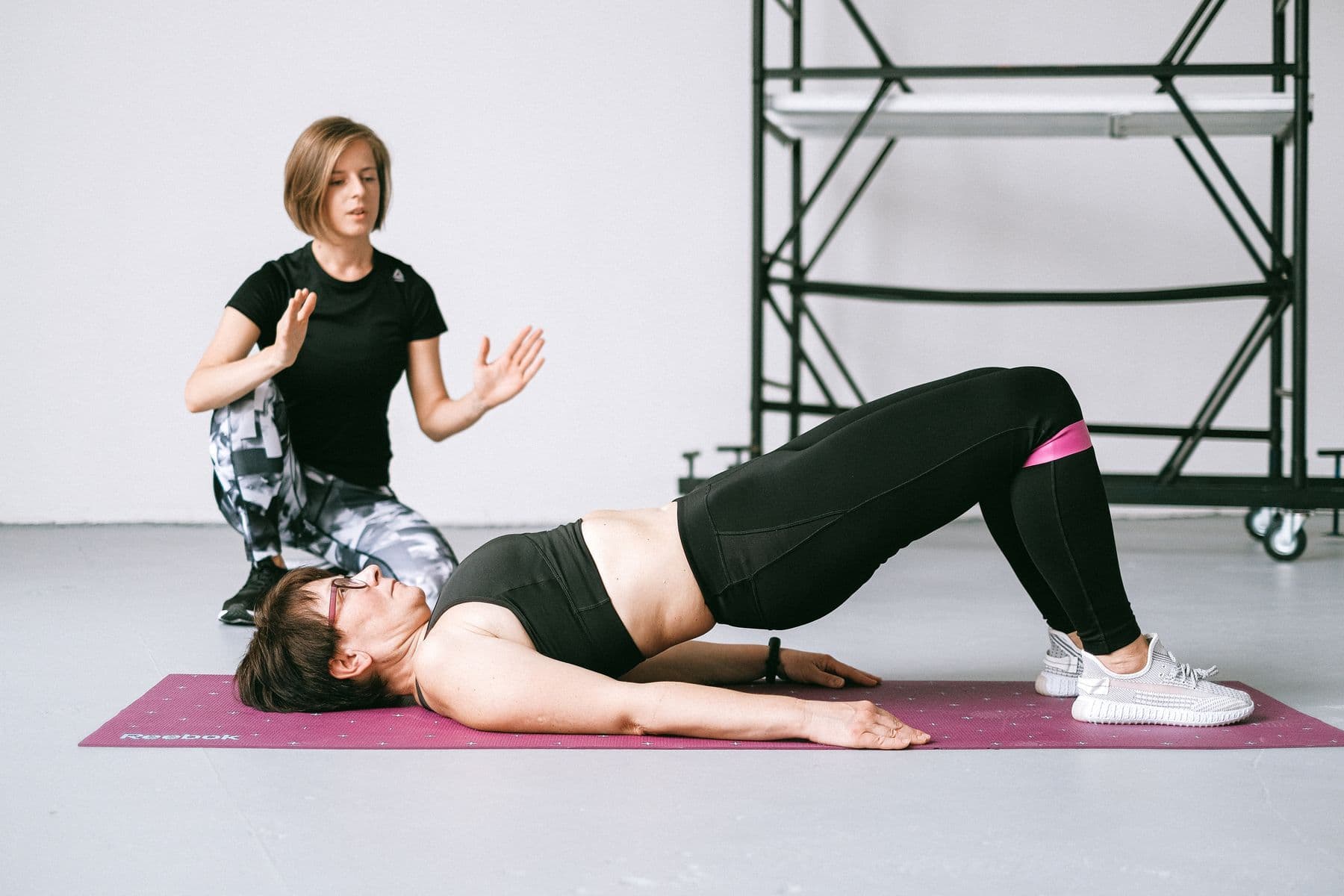
- Physiotherapy and jaw exercises.
- An occlusal splint, often worn at night, especially if you clench or grind your teeth.
Arthrocentesis is most often suggested for a locked jaw that opens only partly, or for joint pain that continues despite these measures. Arthroscopy and open joint surgery are separate procedures, used for other problems.
How the procedure usually goes
- An examination by a maxillofacial surgeon, often with imaging, such as an MRI scan or a CT scan of the joint.
- Local anaesthesia, sometimes with sedation or a general anaesthetic, depending on the clinic and the case.
- Two fine needles are placed into the joint, and a sterile solution is passed through it. Sometimes a medicine, such as hyaluronic acid or a steroid, is injected at the end. One joint often takes about 15 to 45 minutes.
- Gentle movement of the jaw, then instructions for exercises at home.
Recovery and travel
It is usually done without a hospital stay, or as a day case. Swelling and soreness in front of the ear are common for a few days. A soft diet and jaw exercises often continue for one to two weeks, together with physiotherapy or a splint. Plan a few days near the clinic for a check before flying home. These times are ranges: they depend on the clinic and the patient, and your surgeon sets your plan.
Risks
Complications are uncommon. They include swelling, bruising, temporary numbness or weakness of facial muscles near the joint, a temporary change in the bite, bleeding and infection.
Questions to ask
- What is causing my symptoms, and what have the scans shown?
- Have the conservative treatments been tried long enough?
- Will you inject a medicine into the joint at the end, and which one?
- What exercises, splint or physiotherapy do I need afterwards, and who follows me at home?