Vascular lasers target the red colour in blood vessels. The light heats a small vessel until it closes, and the body then clears it away over the following weeks. The treatment is used for thread veins on the face, the background redness of rosacea, small red spots and fine spider veins on the legs.
It can reduce visible vessels and redness, but it does not cure rosacea or stop new vessels from forming. Many people choose it after creams and avoiding triggers have helped only partly.
Devices and what they treat
- Pulsed dye lasers treat facial redness, rosacea and fine thread veins well. At stronger settings they cause bruise-like purple marks for one to two weeks.
- Nd:YAG lasers reach deeper, so they are used for larger or bluish vessels and for small veins on the legs.
- Intense pulsed light (IPL) is not a laser but a broad flash of light, often used for diffuse redness together with sun damage.
How the treatment usually goes
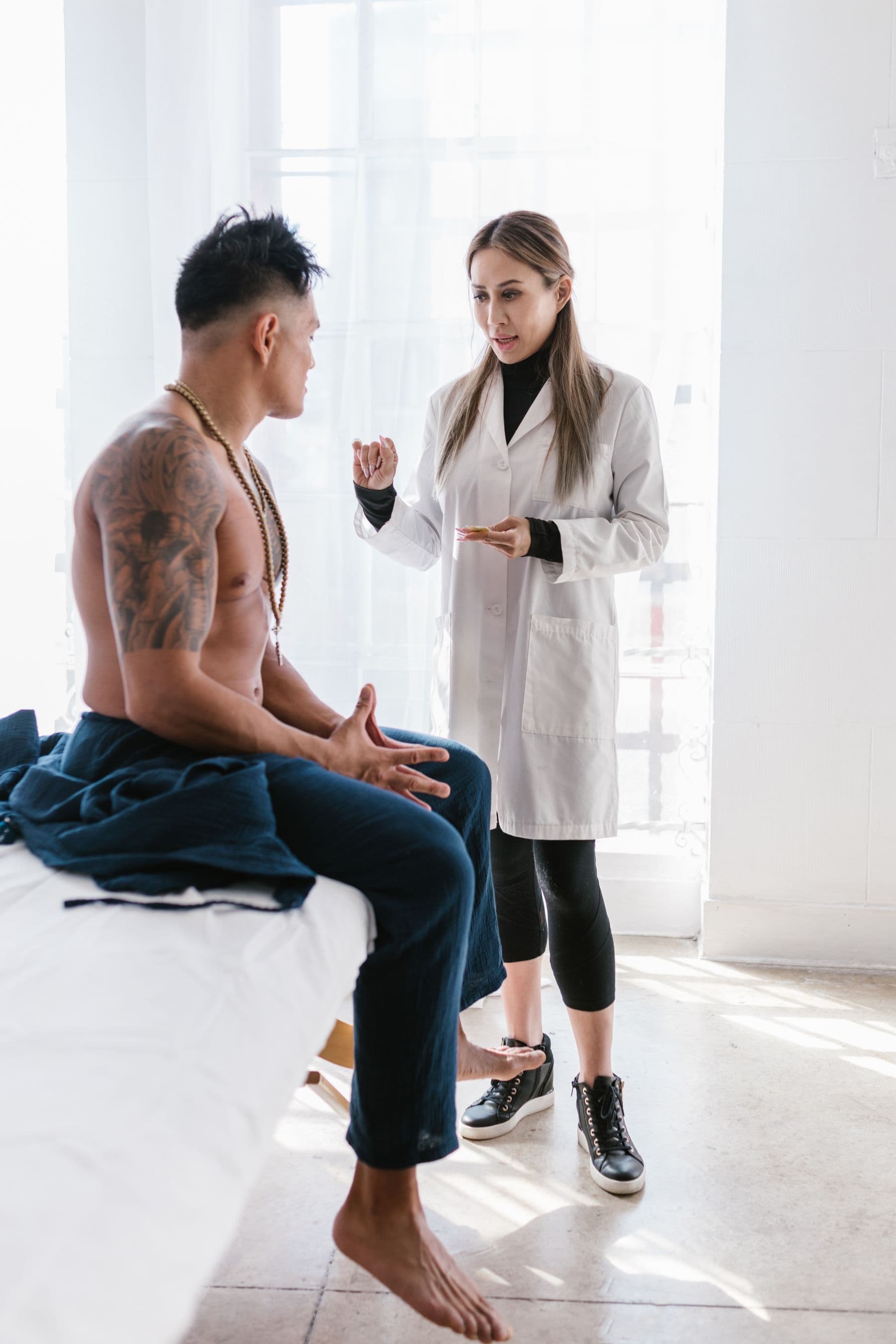
- A consultation: an examination of the vessels, a check of your skin type and any tan, and, for leg veins, an assessment of whether a vein specialist should see you first.
- A plan: the device, the settings and the likely number of sessions — often two to four, a few weeks apart.
- The session: eye protection, cooling of the skin, and short pulses that feel like a snap of a rubber band. A session often takes 15 to 45 minutes and needs no anaesthesia.
- Aftercare: cool compresses, no hot baths, saunas or hard exercise for a few days, and careful sun protection.
Recovery and travel
Redness and swelling are common for a day or a few days, and swelling around the eyes can look worse the next morning. Bruising may last up to two weeks. Most people return to work within a day or two and can fly home soon after a session. Because several sessions are usually needed, plan either several short trips or a stay of some weeks. Your practitioner will advise on spacing and when you can expect to see the final result.
Questions to ask
- Which device do you suggest for my vessels, and why?
- How many sessions are likely, and how far apart?
- How likely is bruising with the settings you plan to use?
- For leg veins: do I need an ultrasound scan, or would sclerotherapy suit me better?